
Sustainable packaging starts with sensible material choices and simpler structures, not vague claims. Explore practical ways to reduce waste while protecting the product and supporting the brand.
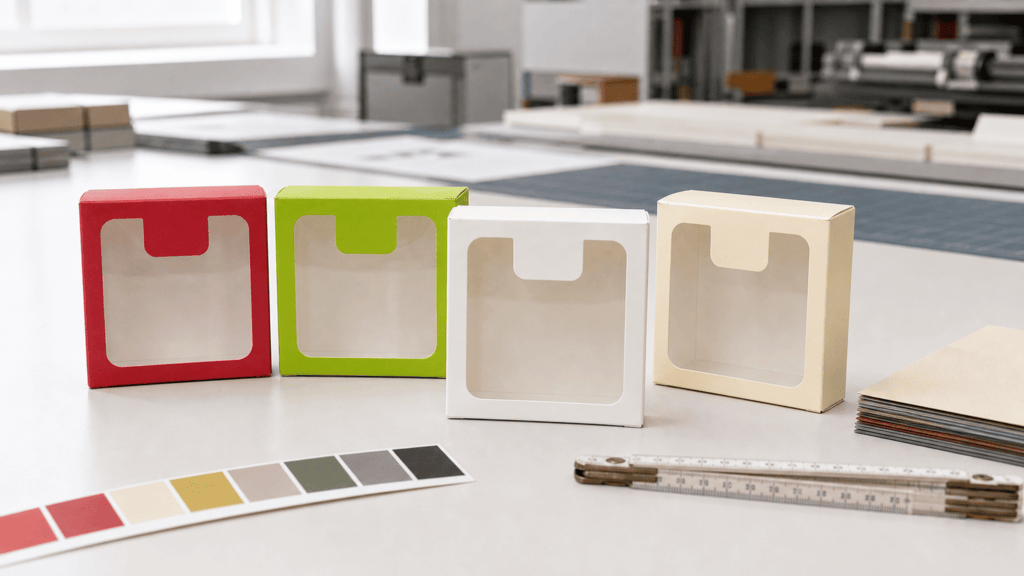
A package can look natural while using unnecessary material. Another can appear luxurious yet achieve a lower impact through a smaller structure, fewer components and better transport efficiency.
The most useful question is not “Which material is sustainable?” It is “Where can this packaging system use less and work better?”
Packaging still needs to protect the product, support packing and reach the customer in good condition. If reducing material leads to more product damage, the overall result may be worse.
Start by defining what the pack must do:
Once these needs are clear, unnecessary features are easier to identify.
Changing a material can help, but removing unnecessary material is often the most direct improvement.
Possible opportunities include:
These changes may also reduce shipping volume, storage space and assembly time.
Paperboard, corrugated board, moulded fibre and different plastics each have useful properties. The best choice depends on the required protection, available recycling systems and how the materials are combined.
A paper-based insert may be suitable for one product, while a precisely formed tray may prevent damage in another. Decisions should be based on the full application rather than appearance alone.
Material specifications should also be verified. Recycled content, certified fibre and disposal claims need reliable documentation and wording appropriate to the market.
Packaging can become difficult to separate when paper, plastic, magnets, foam, fabric and metal are permanently joined.
Where possible, design components so customers can identify and separate them. Removable inserts, limited adhesive and clear material groupings can make disposal more practical.
This does not mean every package must use only one material. It means each component should have a clear function and the complete system should be understandable.
A box that uses less material can still waste space if it ships assembled with large empty areas.
Compare the packed product dimensions with the volume of the empty packaging. Folding structures, nesting components and right-sized export cartons can reduce the amount of air transported.
Transport efficiency is especially important for rigid boxes, which are often delivered assembled. Structural changes made early in the project can have a larger effect than small material substitutions made later.
Sustainable design should still feel intentional. Accurate fit, clean proportions, tactile paper and a simple opening action can create value without excessive decoration.
Customers are more likely to understand a practical design when the material and structure support the message. Avoid broad environmental claims that cannot be explained or verified.
There is rarely one perfect answer. A useful process is to compare alternatives against clear priorities:
This turns sustainability from a visual style into a design decision.
Developing lower-impact packaging? Share your current structure, product requirements and priorities with us. We can help compare practical material and structural options without losing the intended brand experience.

Scan to start a chat

Scan to add us